
SOCAT
Special Operations Cognitive Agility Training
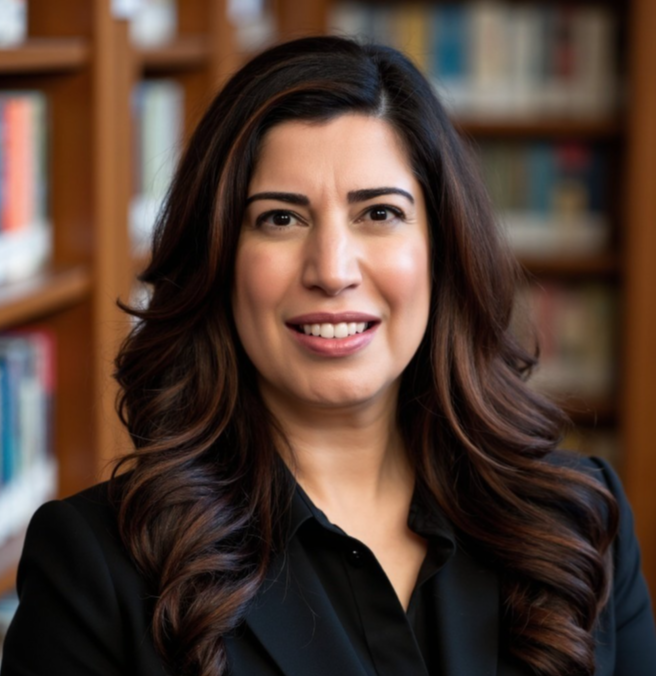
Principle Investigator: Marjan G. Holloway, Ph.D.


Co-Principle Investigator: Joseph Grammer, BS, BA
Co-Principle Investigator: Su Yeon Lee-Tauler, Ph.D.
Sponsor: U.S. Department of Defense Congressionally Directed Medical Research Program (CDMRP)
History
SOCAT is a 4-hour curriculum that was designed with Special Operations Forces (SOF), for the unique challenges and skillsets of SOF. SOCAT seeks to bridge the gap between SOF training and everyday life by helping SOF members leverage their existing cognitive agility to navigate challenges in their personal relationships and manage life stressors beyond the operational realm. SOCAT aims to build understanding, awareness, and skills that can improve important aspects of SOF members’ lives as soon as they walk out the door.
SOCAT was developed at the Uniformed Services University of the Health Sciences (USUHS) in partnership with USSOCOM and POTFF as a stealth suicide prevention program. The program does not explicitly mention suicide. Instead, the program teaches evidence-informed skills that help participants recognize inflexible, rigid thought patterns and interpersonal interactions that are associated with suicide and shift towards flexibly addressing life challenges.
Development began with in-depth interviews with hundreds of SOF members to identify the challenges and relative weaknesses that SOF members reported experiencing in navigate the complexities of personal relationships and everyday stressors outside of operational settings. The curriculum was developed by a multidisciplinary team of clinical, social, sports, operational, and organizational psychologists and SOF consultants, and subsequently piloted and refined within the SOCOM community. An evaluation study is currently evaluating the effectiveness of the program.
Purpose
The broad objective of this study is to conduct a Cluster Randomized Controlled Trial (N = 480) to compare the efficacy of (1) a 4-hour SOCAT intervention + Training As Usual (TAU) compared to (2) TAU only (i.e., routine DoD training and resources for SOF members), on cognitive flexibility, cognitive agility, social problem-solving, and overall functioning assessed at baseline and 3- and 6-month follow-ups. Secondary outcomes include measures of focus, openness, interpersonal efficacy, psychological well-being, cognitive distortions (including suicide-related cognitions), grit, and resilience. We further seek to understand how participants are applying skills learned from the SOCAT program by interviewing smaller groups of participants with improved, stagnated, or reduced cognitive agility scores between baseline and 3-month follow up period.
Current Status:
The project is ongoing, currently in the process of analyzing collected data.
Military Relevance
This study directly addresses the Focus Area of Cognitive Performance Optimization. This funding mechanism provides a timely opportunity to evaluate the efficacy of SOCAT in advance of widespread dissemination across USSOCOM. SOCAT emphasizes optimal and stable cognitive performance across different contexts – as well as across various stages of the military lifecycle – to serve as a buffer against biopsychosocial vulnerabilities, environmental stressors, military operational demands, and mental health problems, including suicide.

Scholarly Dissemination:
LaCroix, J. M., Baggett, C. M. R., Lee-Tauler, S. Y., Carter, S. P., Vileta, S., Neff, L. C. R. D. R., ... & Ghahramanlou-Holloway, M. (2021). Special Operations Cognitive Agility Training (SOCAT) for Special Operations Forces and spouses. Military Psychology, 1-8. https://doi.org/10.1080/08995605.2021.1981709
LaCroix, J. M., Walsh, A., Baggett, M. A., Madison Carter, K., Suicide Care, Prevention, and Research Initiative (Suicide CPR Initiative) Team, Ghahramanlou‐Holloway, M., ... & Lee‐Tauler, S. Y. (2021). Three department of defense‐funded public health approaches to reduce military suicide. Suicide and Life‐Threatening Behavior, 51(2), 334-343. https://doi.org/10.1111/sltb.12709
Suicide Care, Prevention, and Research Initiative. (2020). Special Operations Cognitive Agility Training, Version 2. Bethesda, MD: Uniformed Services University of the Health Sciences.
Carter, S. P., LaCroix, J. M., Stivers, M., Huppert, T., Francois, E., Pina, D., & Holloway, M. (April 2024). Special Operations Cognitive Agility Training: Feasibility of Delivering a Primary Prevention for Special Operations Forces. In S. P. Carter (Chair), Developing and Evaluating Primary Prevention Interventions with the U.S. Military. Presented at the annual Suicide Research Symposium.
LaCroix, J. M., Vileta, S., Baggett, M. A., Holloway, M. (28 Jan 2020) Special Operations Cognitive Agility Training. Presentation at the Special Operations Behavioral Health Workshop, Fort Bragg, NC.

Relevant Products And Resources
03
Curriculum Guide: Suicide Care, Prevention, and Research Initiative. (2020). Special Operations Cognitive Agility Training, Version 2. Bethesda, MD: Uniformed Services University of the Health Sciences.
01
LaCroix, J. M., Baggett, C. M. R., Lee-Tauler, S. Y., Carter, S. P., Vileta, S., Neff, L. C. R. D. R., ... & Ghahramanlou-Holloway, M. (2021). Special Operations Cognitive Agility Training (SOCAT) for Special Operations Forces and spouses. Military Psychology, 1-8. https://doi.org/10.1080/08995605.2021.1981709
02
LaCroix, J. M., Vileta, S., Baggett, M. A., Holloway, M. (28 Jan 2020) Special Operations Cognitive Agility Training. Presentation at the Special Operations Behavioral Health Workshop, Fort Bragg, NC.